
The Phoenix Club

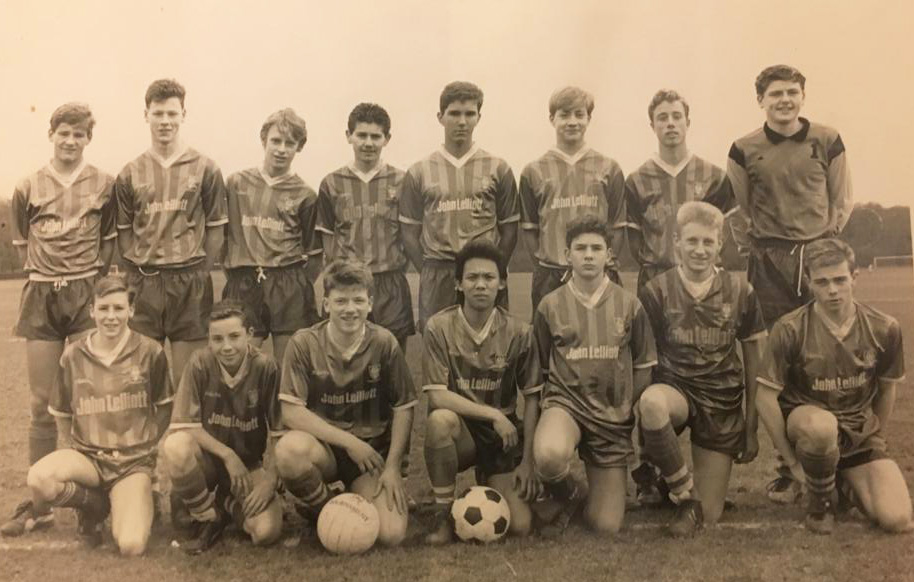
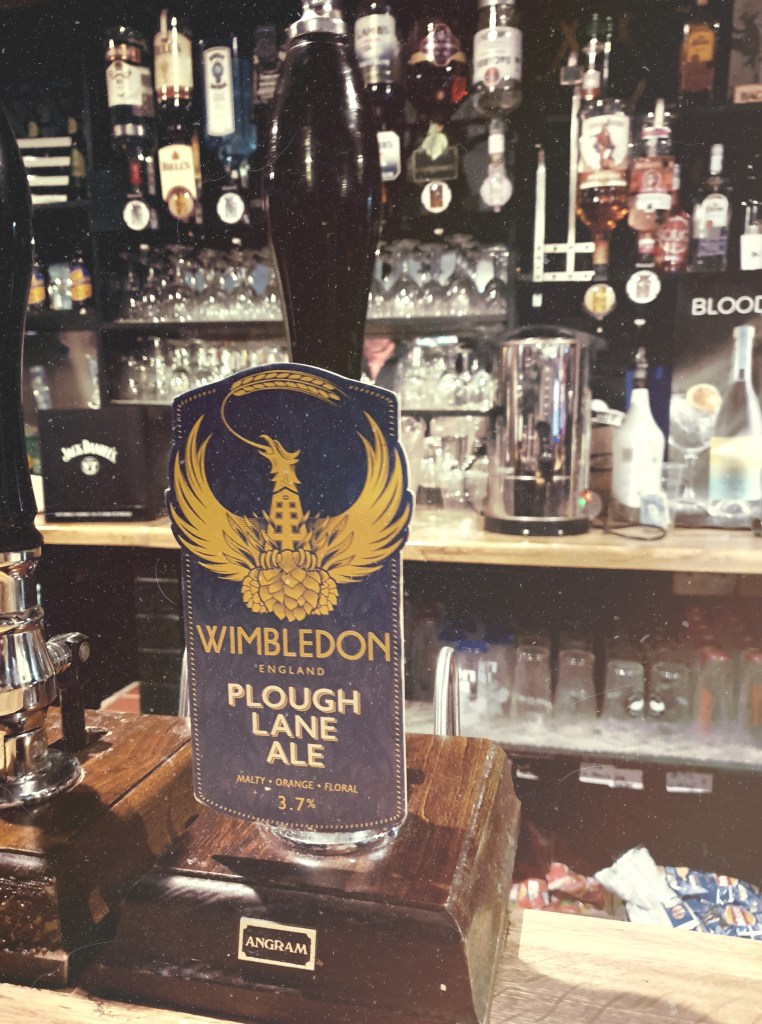
In a time where football is becoming more about the individuals and their brands, where clubs aim to become international establishments and corporate interests drive decisions, AFC Wimbledon are a club that stand out in the ever-changing landscape of football. Like many young people in the UK my vessel into football was my dad, he played at various clubs when he was younger, and he would tell me about stories about his experiences with these clubs. One club, where he spent a period of time as a schoolboy has always stood out to me however, this club was the original Wimbledon from Plough Lane.
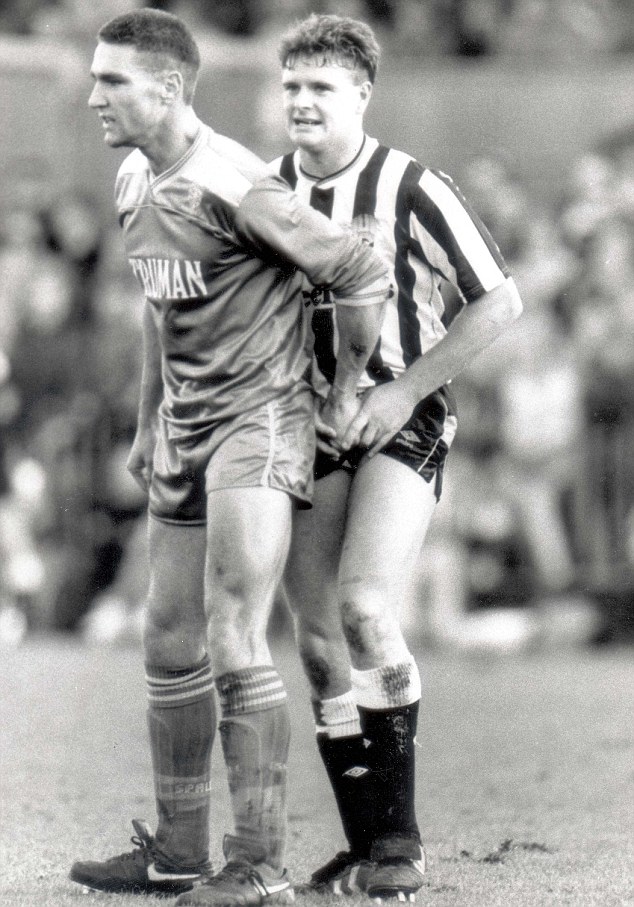
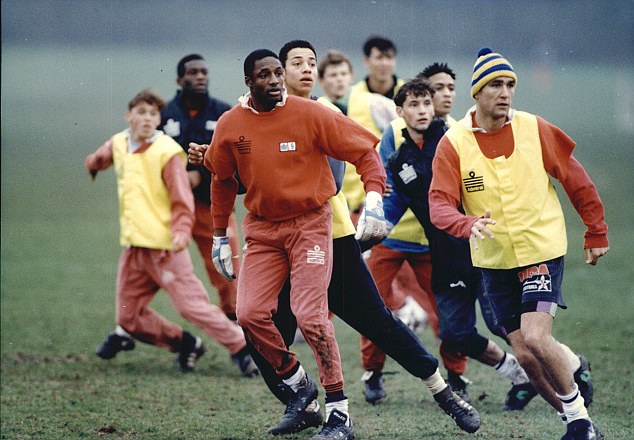
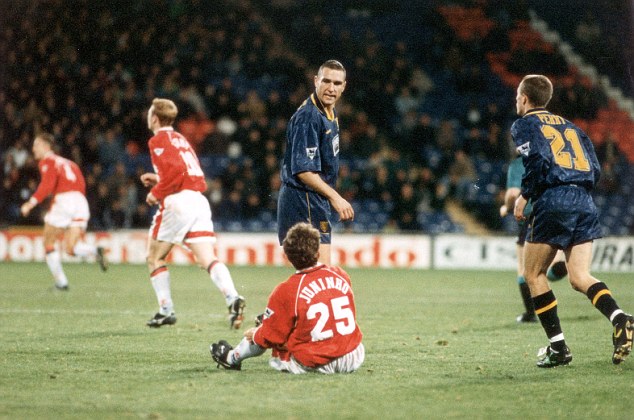
Dubbed the infamous “Crazy Gang” for their brutish approach to the game and off the field antics from players such as Vinnie Jones, Wally Downes, Dennis Wise and John Fashanu, Wimbledon carved out a reputation for themselves as being the team who put fear into their opponents. They made themselves horrible to play against, if you were going to out football them, they would bully you off the field no matter who you were or what you had won. The Wimbledon reputation was only enhanced by where they applied their trade, Plough Lane. Even by the standards of the 80’s Plough Lane was a ground that was small, rough and a far cry from the stadiums that the likes of Liverpool and Arsenal played in, it was a window into the lower divisions for everyone. Wimbledon’s culture was so vastly removed from that of other clubs in the league. As well as a major lack of investment in their facilities, the youth players would wear the ill-fitting first team shirts from the season before, players would drink in local pubs and public cafes next to the training ground as if they were still a Sunday league side. They were not a Sunday league side though; Wimbledon were turning over the big boys and were there to stay.
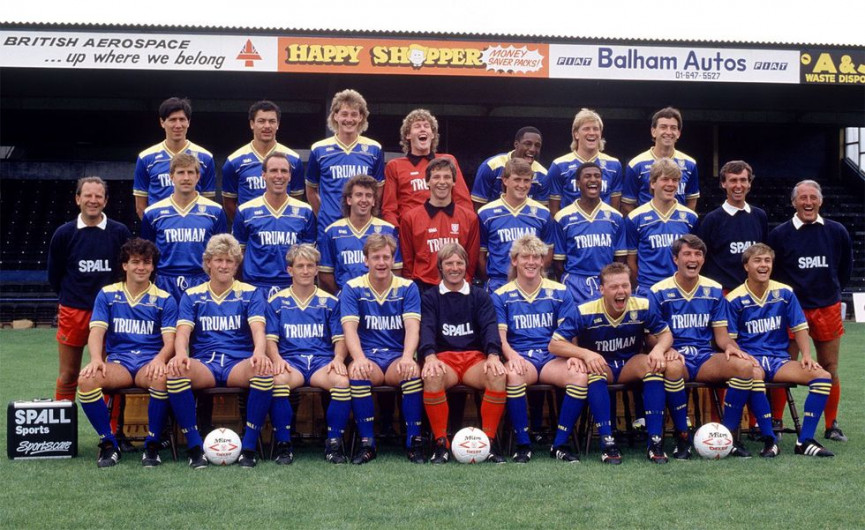

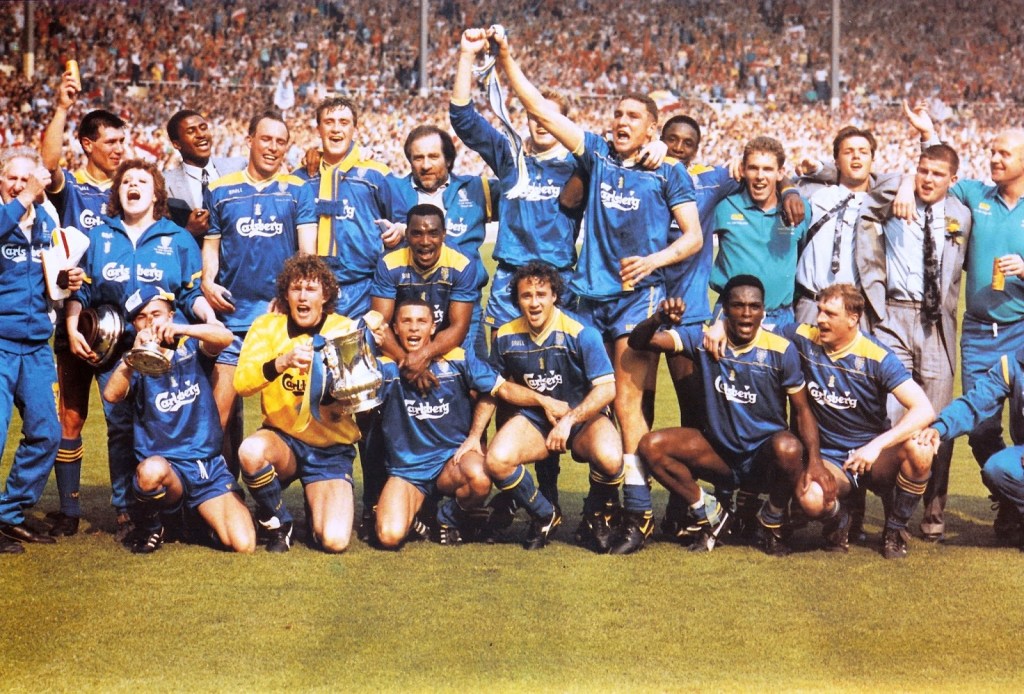
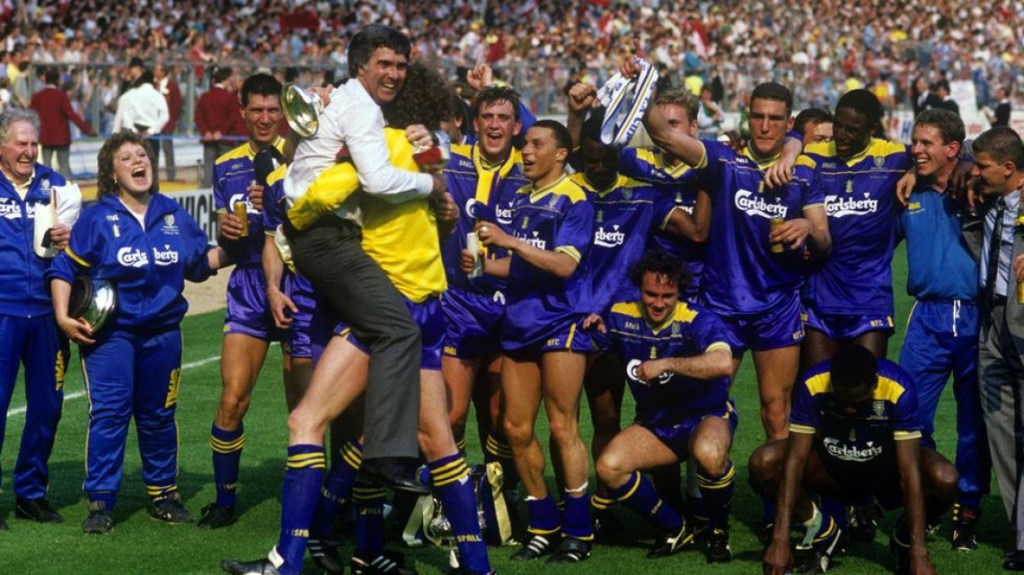
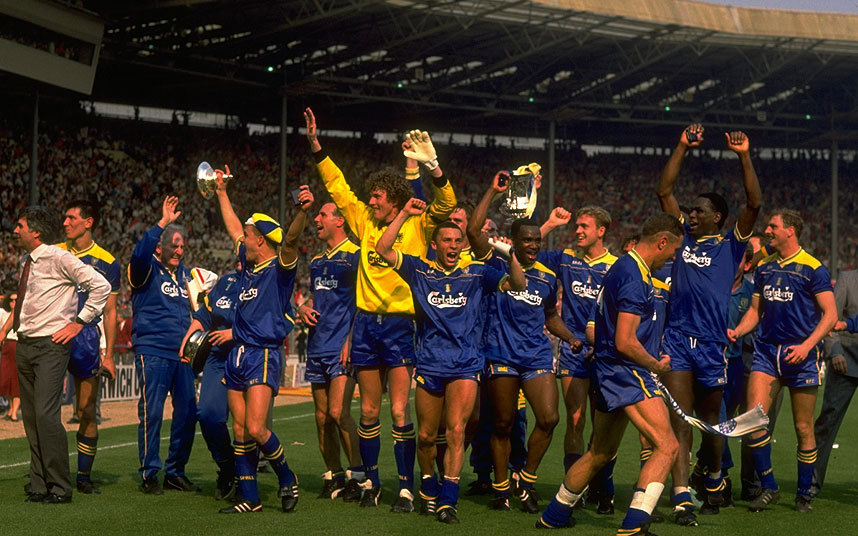
In 1988, just 11 years after reaching the football league, Wimbledon enjoyed the club’s greatest achievement when they beat league champions Liverpool to win the FA Cup in front of 98,203 people. Widely regarded as one of the competitions greatest upsets, Wimbledon secured a 1-0 win through a Lawrie Sanchez goal to best a legendary Liverpool featuring the likes of John Barnes, Alan Hansen, Peter Beardsley and John Aldridge to name a few. As John Motson put in on the day, “The Crazy Gang have beaten the Culture Club”, Wimbledon had truly arrived, and the sky seemed to be the limit heading into the future.
In 1991 the Taylor Report was published following the enquiry into the tragic Hillsborough disaster, the report required all top-flight clubs to switch to all-seater stadiums in a decision that would change fan culture in English football forever. Wimbledon had announced plans to move to a brand new all seater stadium in Merton just after winning the FA Cup, so the club appeared to be ahead of the curb on this matter. However, this move to a new stadium never materialised and Plough Lane, the ground that had become so iconic to what Wimbledon were, was deemed unable to be redeveloped to meet the new requirements. Their time there was over and the club had to now groundshare with Crystal Palace at Selhurst Park, not the most ideal thing for a club looking to grow and after the heights of winning the FA Cup years before, Wimbledon were beginning to see turmoil of the pitch, no matter how relevant they still were on it.
Throughout the 90’s they struggled to get their off the field issues in order, all possible returns to Wimbledon began to look increasingly impossible. They started to look at alternative options, one of these was a club share with Crystal Palace, to which eccentric owner Sam Hammam stated, “I’d rather die and have vultures eat my insides”. What was also put on the table was a move to Dublin, in which Sky Sports promised to pay for the fans flights to home matches, after much fan backlash, this also fell through. Hammam conducted merger talks with a whole host of areas such as Wigan, Manchester, Belfast, Bristol and Cardiff, thankfully common sense prevailed over these options too.

In the year 2000, Wimbledon’s time in the Premier League was up, they were relegated to the championship and in the same year Sam Hammam departed to Cardiff with his pockets full. Over in Milton Keynes around the same time, Peter Winkelman an ex music executive was looking to build a commercial development to be suited around a new football stadium. He had an issue however as Milton Keynes had no prominent football team. A man who had no prior knowledge of anything to do with football saw an opportunity for himself and he gave a financially struggling Wimbledon an ultimatum, move to Milton Keynes or go bust. In August 2001, the fans were informed that their club would be moving to Milton Keynes and by September 2003 they were playing their first game there. The spirit of the club had gone, and franchise football had won the day, in 2004 the club was brought out of administration and renamed MK Dons, changing their club colours and badge along with it, Wimbledon FC was no more.
Losing your club is the worst possible thing that can happen to any football fan and in the true spirit of Wimbledon the fans wouldn’t let their club disappear so easily. Wimbledon didn’t have to die; they could start again and this time the fans were going to be in control. The idea for a new Wimbledon was spearheaded by Kris Stewart, Marc Jones and Trevor Williams and the supporter’s group behind them and in the summer of 2002, from the ashes of the former club rose a new phoenix club, AFC Wimbledon. They would play their games at Kingsmeadow in Norbiton, they had a new strip and badge inspired by the old one, they would be holding trials at Wimbledon Common for any player who thinks they could contribute to the team that would begin in the Combined Counties League. Wimbledon already had a big fanbase and they had switched allegiances to AFC, so after assembling a team and securing a manager, the stage was set for AFC Wimbledon to climb back to where they belong, in the football league.

They got off to a flying success and went on to set the record for the longest unbeaten run of league matches in English football, playing 78 games without a defeat between February 2003 and December 2004. I remember watching them play against my local town Ramsgate when I must have only been 6 years old in what was also likely the first game I went to. In true Wimbledon fashion the club shot through the non-league divisions and in just 9 seasons AFC Wimbledon returned to the Football League in League 2 in 2011, becoming the first club formed in the 21st centaury to do so in the process. To this day AFC Wimbledon have stayed in the Football League ever since. In the following seasons the club have enjoyed success reaching League One, FA Cup victories over Premier League teams and climbing above MK Dons in the League table, in a move that proves passion will always win out in football.
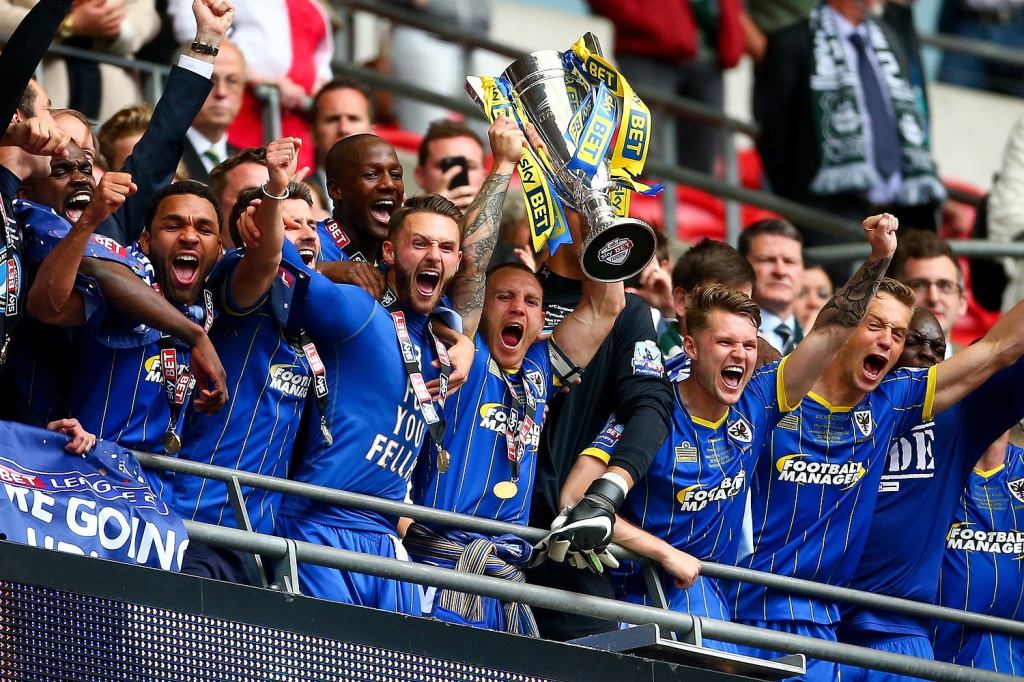
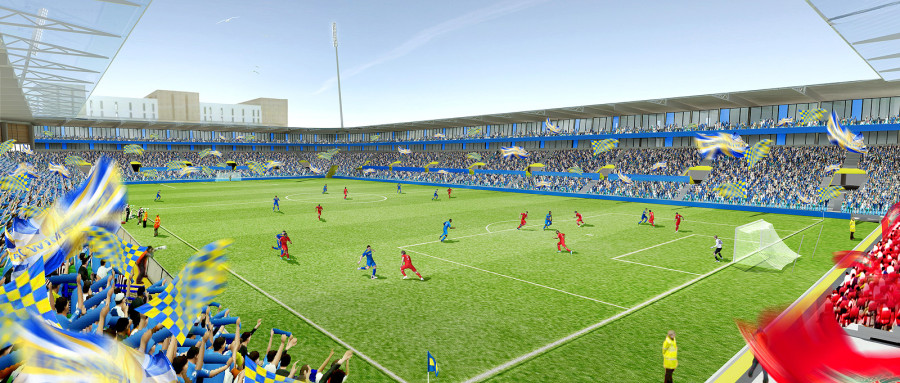
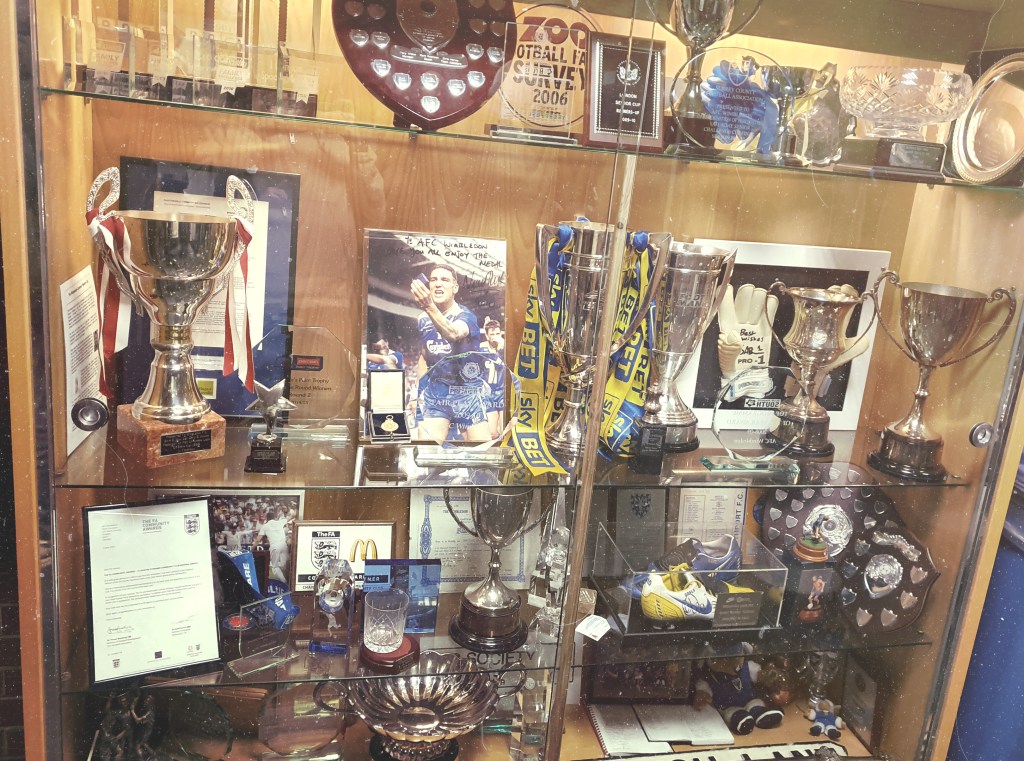
In December 2017, 26 years after leaving Plough Lane, the club’s rebirth was looking closer to coming full circle, as AFC Wimbledon announced that they have been given final permission to return home. It truly will be a homecoming for the club as they will be building the new Plough Lane over the Greyhound Racing Stadium, just 250 yards from the site of the old ground. It will host 9000 people, with an aim to push to 20,000 in the following years, it will feature a conferencing section, a pub and a club museum. The aim is to be up and running in the new ground by the start of the 2020/21 season. As the club still remains fan owned the project has needed a large amount of crowdfunding to get the work completed, if fans brought into more than a £10 share they could get their name plastered onto permanent fixtures in the stadium, fitting that the fans will be built into the fabric of the stadium they brought to into existence.
Unfortunately, it was recently published in the London Evening Standard that AFC Wimbledon need to raise £11 million extra to complete the construction of the new stadium. The Dons trust face a difficult decision on their hands as the majority seem to be against the idea of bringing in private outside investors as it could change the fabric of a club that have suffered so much in the past with these kinds of people. There are many options available for them to raise the money, I believe the right decision will be made and AFC Wimbledon will find a way through this situation as it’s in their nature to do so.
When I was putting this project together, I was lucky enough to interview Ex Wimbledon and Wales player and current AFC Wimbledon Manager Glyn Hodges. Being a member of the crazy gang and at the club since the age of 15, it’s clear Wimbledon means a lot to him and I spoke to Glyn on just how it felt to be the man at the helm of the club as they return home, among other topics. You can find the interview below and on the report_ant YouTube Channel. I’d like to thank AFC Wimbledon for their welcoming nature and allowing me access to the club and extend my thanks to Glyn himself for taking the time to do the interview.
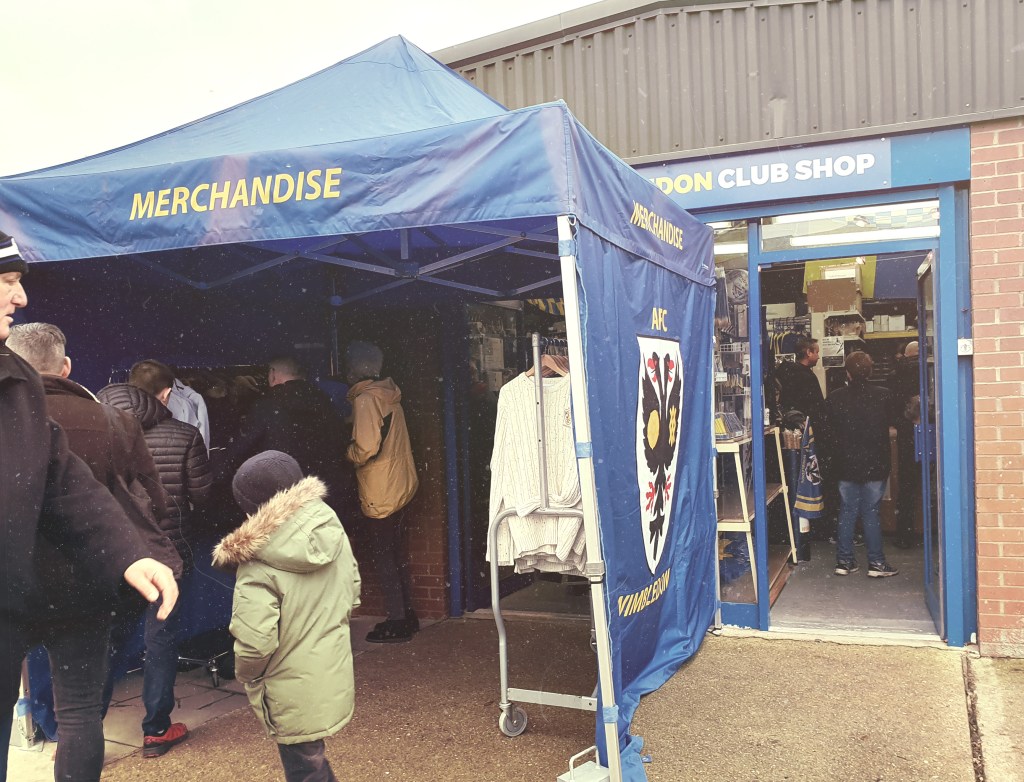
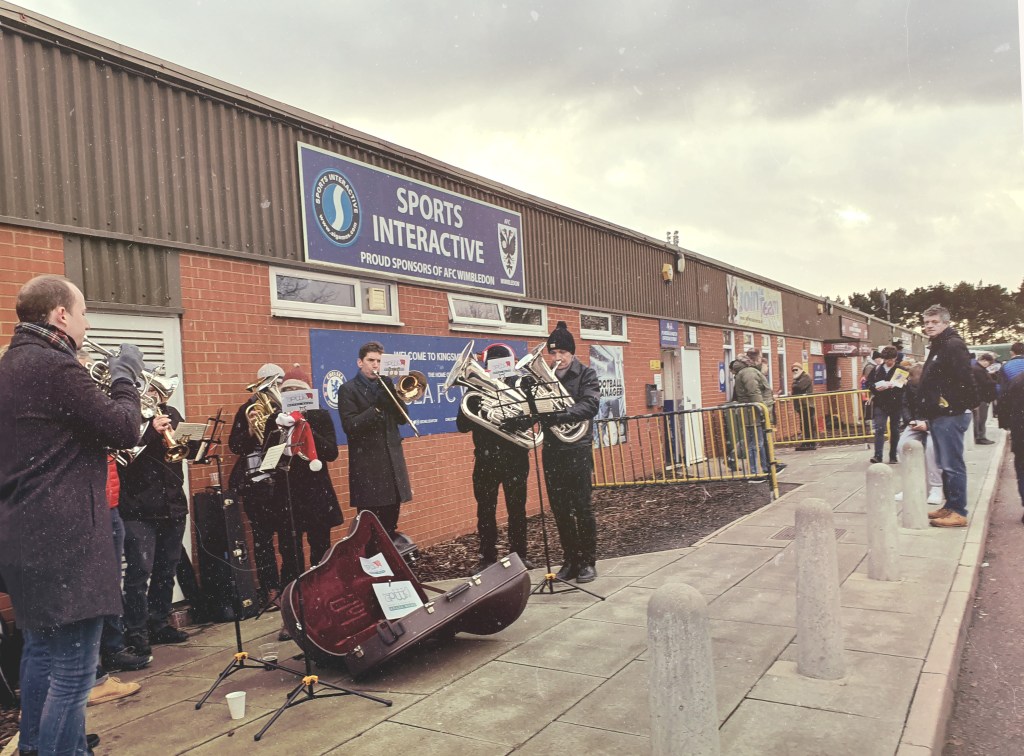
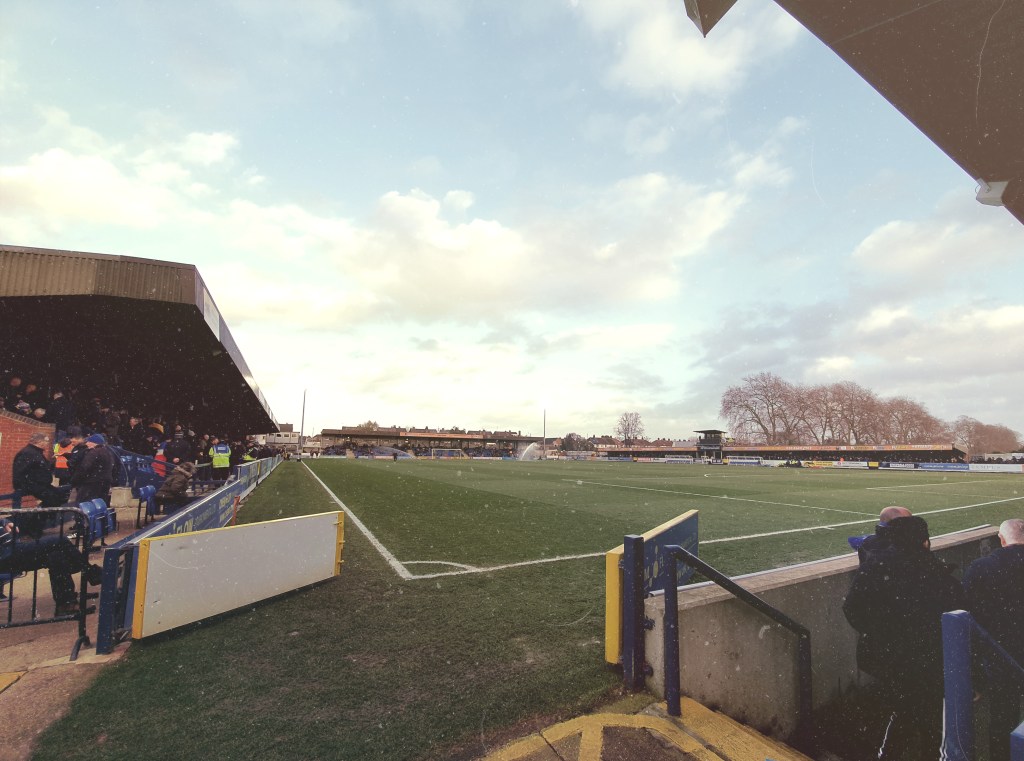
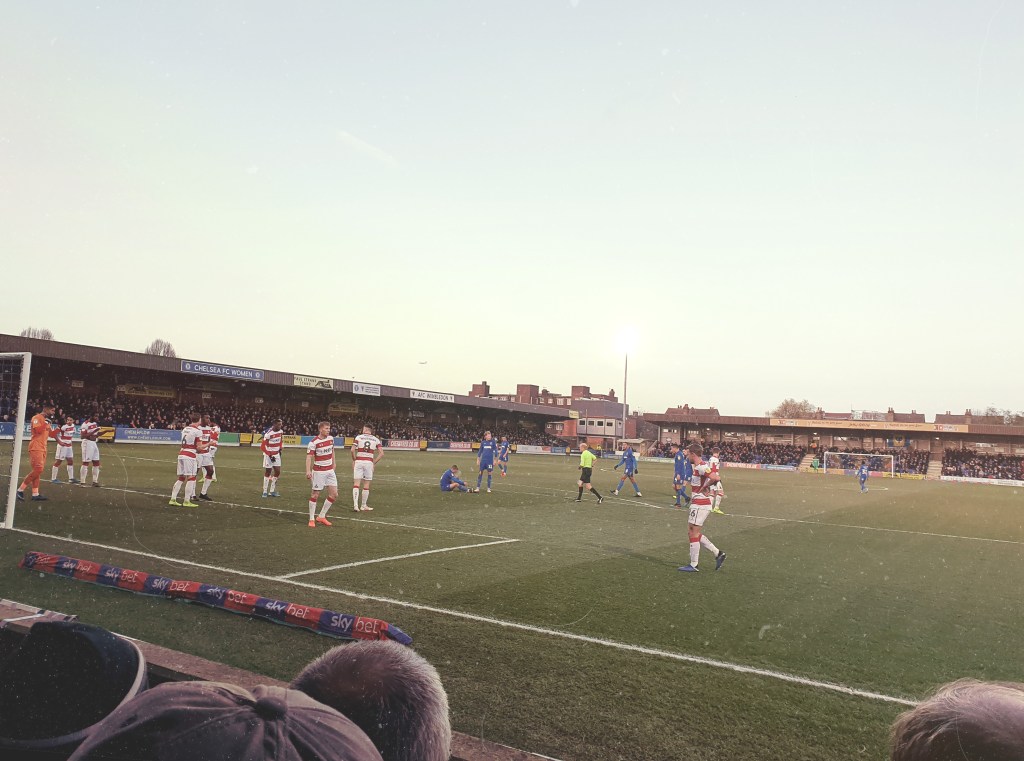
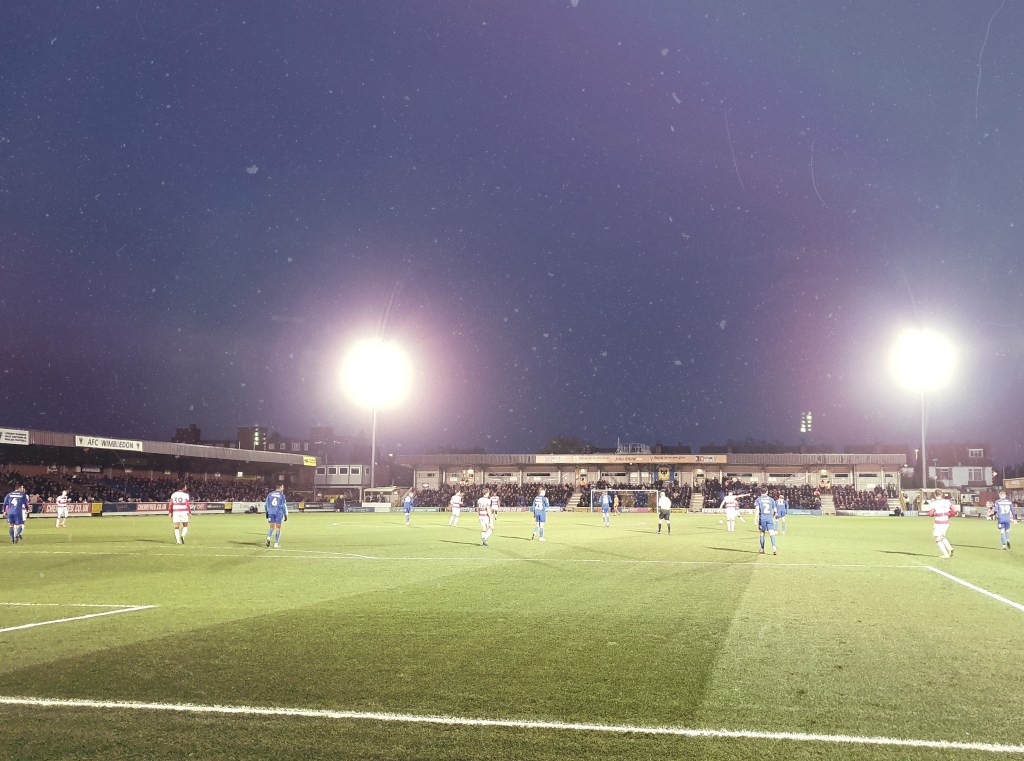
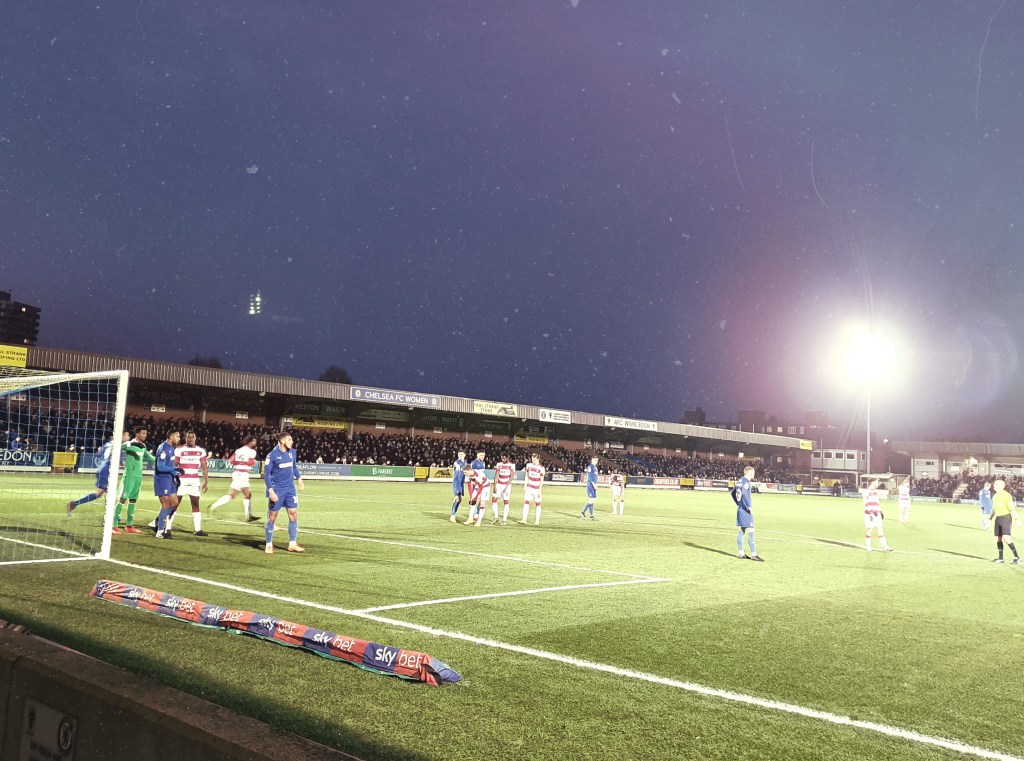
The weekend following my interview with Glyn, I attended a game down at Kingsmeadow, AFC Wimbledon Vs Doncaster. Admittedly I haven’t had much exposure to the lower divisions of English football growing up and it was fantastic meeting both sets of fans who were drinking with each other before the game, you just would not see this in the likes of the Premier League and it was really great to see. It was a great atmosphere in a hard-fought game that saw The Dons leave with all three points, you can see my match report below. I look forward for these fans having a place to call their own and will certainly be attending there myself.
However long it takes, no matter what form it may be, the fans have built AFC Wimbledon to a position where they can return to their spiritual home of Plough Lane, it is an admirable story and one that is defined by the people at the core of Football all around the world, the fans.
. 


An interview with Glyn Hodges
My interview with the AFC Wimbledon manager Glyn Hodges. I ask Glyn about what it means for him being the man to bring the club back to their spiritual home of Plough Lane a place where he enjoyed much success as a player. I’d like to thank AFC Wimbledon for their welcoming nature and allowing me access to the club and extend my thanks to Glyn himself for taking the time to do the interview.
AFC Wimbledon Vs Doncaster – Match Report
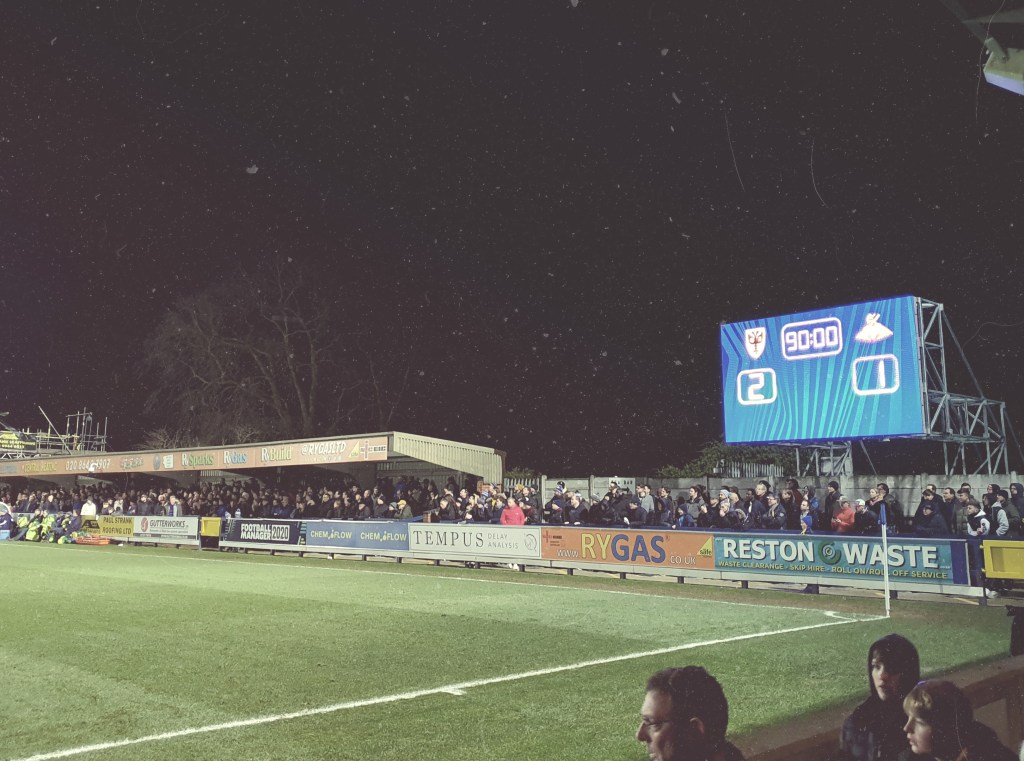
It was an impressive second half display from AFC Wimbledon, that saw them secure all three points in a vital 2-1 victory over familiar foes Doncaster Rovers, with goals from Marcus Forss and Callum Reilly leaving Dons fans with some cheer before Christmas.
Having met twice throughout November, the two sides knew each other well coming into this game and Wimbledon would be looking to gain back some of their pride after being knocked out of the FA Cup by Doncaster. A frustrating result in the last match at Bolton where The Dons conceded an equaliser in the 94thminute, meant that getting three points today was of upmost importance as they look to climb away from the relegation zone. A Calf injury to Scott Wagstaff meant the captain would miss the game, however, Rod McDonald returned to the starting line-up after a lengthy spell out. Doncaster’s fortunes have not been much better of late, as Darren Moore’s side were without a league win in four since their 7-1 win at Southend in October, leaving them at 11th in the table.
In the opening stages of the game, Doncaster dominated Wimbledon as the day looked set to be another testing one for Wimbledon. The Dons were unable to be able to deal with the tempo of Doncaster’s passing play and trott was tested twice in the opening five minutes with strong efforts from Ben Whiteman and Doncaster’s top scorer Kieran Sadlier, however the Wimbledon keeper held strong and kept them out. He could not keep a clean sheet for long though, as Doncaster took the lead on the 12th minute through when Kwame Thomas headed in a corner at the back post. After conceding Wimbledon seemed to grow in stature in the game as they began to limit the amount of chances Doncaster were getting but were unable to find a killer final ball to create a chance for themselves.
As the first half waged on, most of Wimbledon’s efforts came were coming from set-pieces, as Brighton loanee Max Sanders delivered some great corners into the box that were met by the head of Terrell Thomas, but he couldn’t hit the target. The final chance of the half came from Doncaster’s Ben Sheaf who found himself on the end of a great chance that he was unable to find the back of the net with. The first half came to a close and there was an air of an all too familiar frustration amongst the AFC Wimbledon supporters.
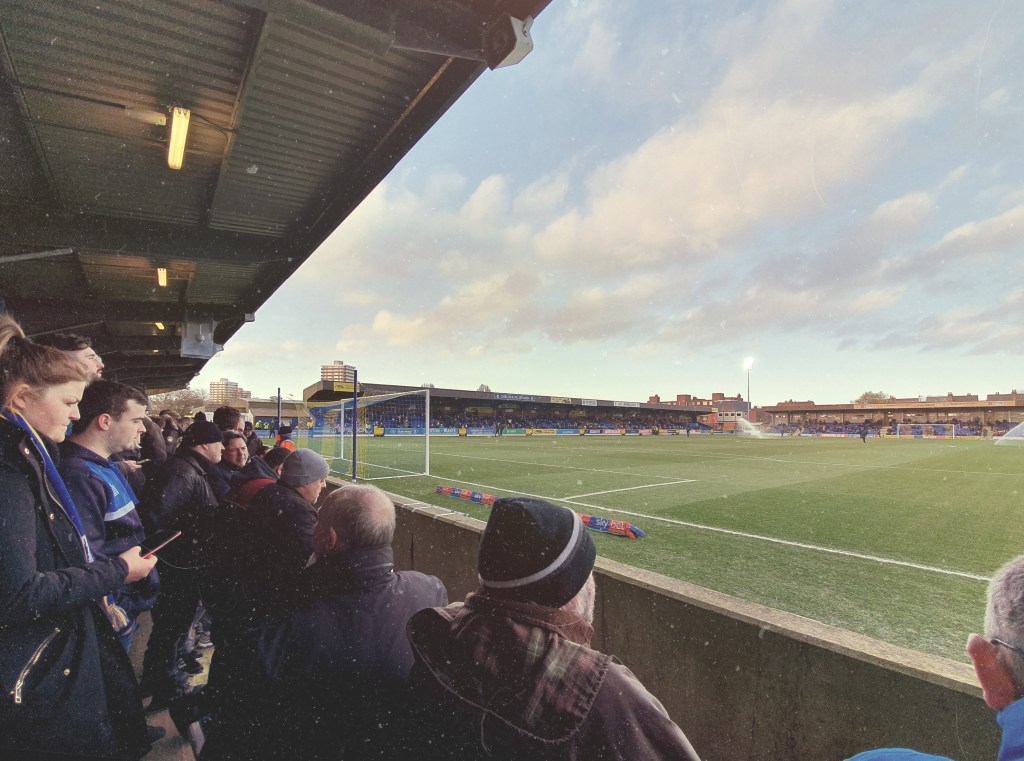
As the second half got underway, you could see that Wimbledon had come out for the second half with a new attitude as they moved the ball with much more decisiveness and intensity. Where Joe Pigott struggled to be rewarded for his hard work up front in the first half, he was finding greater success in his hold-up play in the second. Doncaster looked rather leggy as they struggled to keep up with Wimbledon and in the 56th minute this caught up to them as Donervon Daniels brought down 20-year-old loanee Marcus Forss in the box for a clear penalty. Forss slotted the penalty away brilliantly to hit his 9th goal of the season in all competitions and draw Wimbledon level. The goal was in the running and it only spurred Wimbledon on further, the atmosphere in the stadium had shifted with the oud chants from fans spurring the home side on. As the sky got darker so did Doncaster’s fortunes, they only managed to create only one notable chance before Wimbledon added another and took the lead in the 70th minute with Forss and Reilly combining in a brilliant counter-attack. Fantastic work rate from Marcus Forss saw him get on the end of a long ball and pick out Callum Reilly who scored his first league goal for Wimbledon with a neat finish.
The final 20 minutes saw Glyn Hodges side drop much deeper and prevent Doncaster from finding any foothold back in the game. You could feel the fans on the edge of their seat, likely thinking back to the Bolton game, as Doncaster were beginning to find ways through. Substitute Jon Taylor found himself on the end of a great chance close to goal, but his shot was pulled wide of the goal. Terrell Thomas was a rock for Wimbledon in the closing stages of the match as he seemed to header away every cross that was fired into the box, leaving the Dons lead looking rather secure. At the end of the 4 additional minutes, the full time whistle blew and massive cheers rung out over the Cherry Red Records Stadium as AFC Wimbledon walked away with all three points, with a performance and comeback they could be proud of in the final home game before Christmas.



 report_ant